November 5, 2026
Across the globe, body art has transformed from a subculture into an acclaimed medium of personal storytelling and artistic craft. According to research published by Business Wire, approximately 32% of American adults currently possess at least one tattoo, illustrating widespread cultural mainstreaming. Amid this expansive surge in popularity, few visual lineages hold the prestige, visual gravity, and historical endurance of classical Japanese tattooing. Known historically as irezumi or horimono, this ancient visual discipline originated centuries ago, flourishing through woodblock artwork, hero legends, and spiritual iconography. While modern machinery and evolving social attitudes have steadily reshaped the broader industry, dedicated studios bear the essential responsibility of keeping historical conventions intact. Crafting an authentic Japanese style tattoo requires far more than copying vintage flash; it demands deep devotion to structural balance, narrative coherence, technical precision, and profound artistic dedication. By maintaining reverence for ancestral masters while welcoming contemporary collectors, premier tattoo studios serve as vital guardians of this monumental art form.
Honoring Historic Motifs and Narrative Symbolism
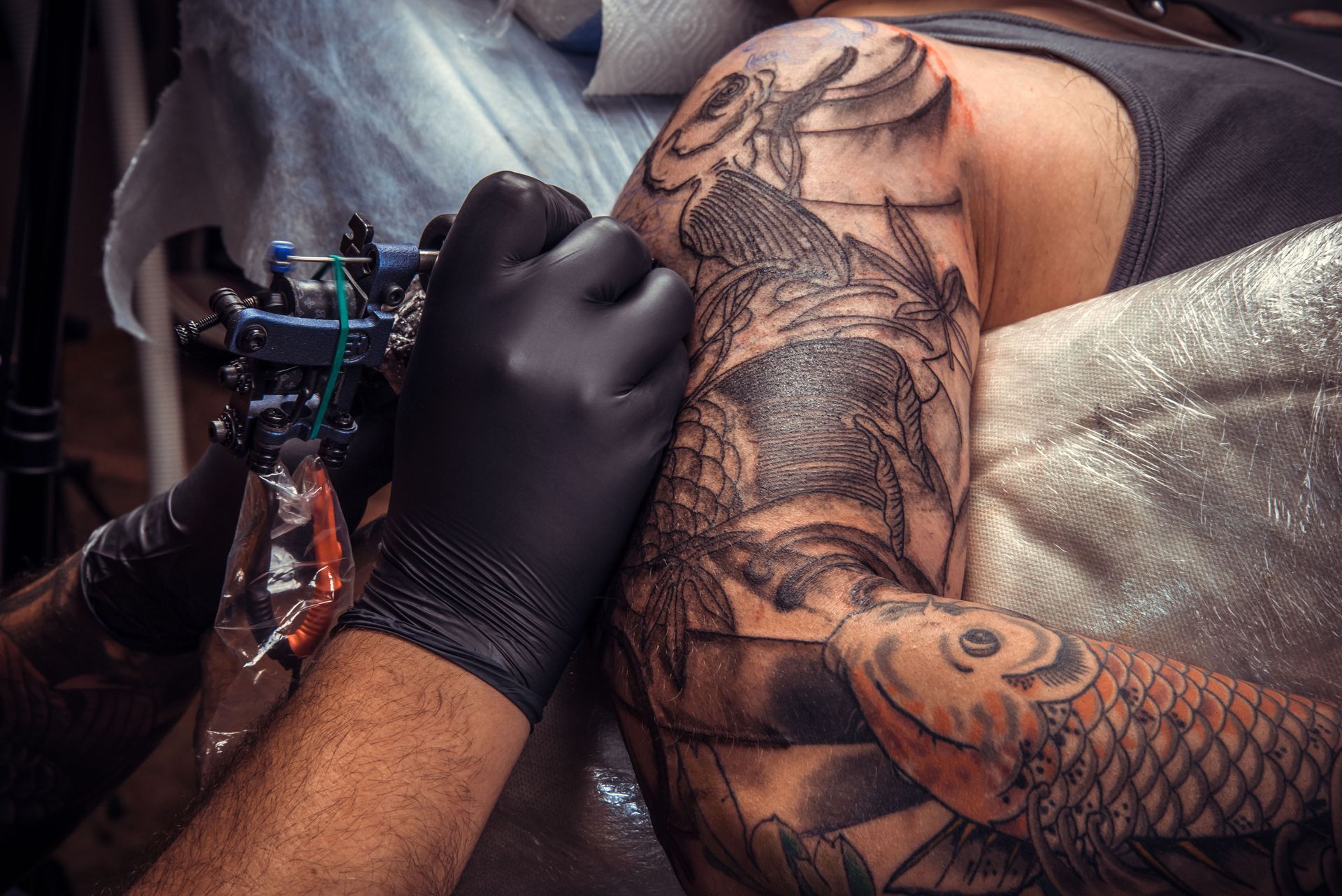
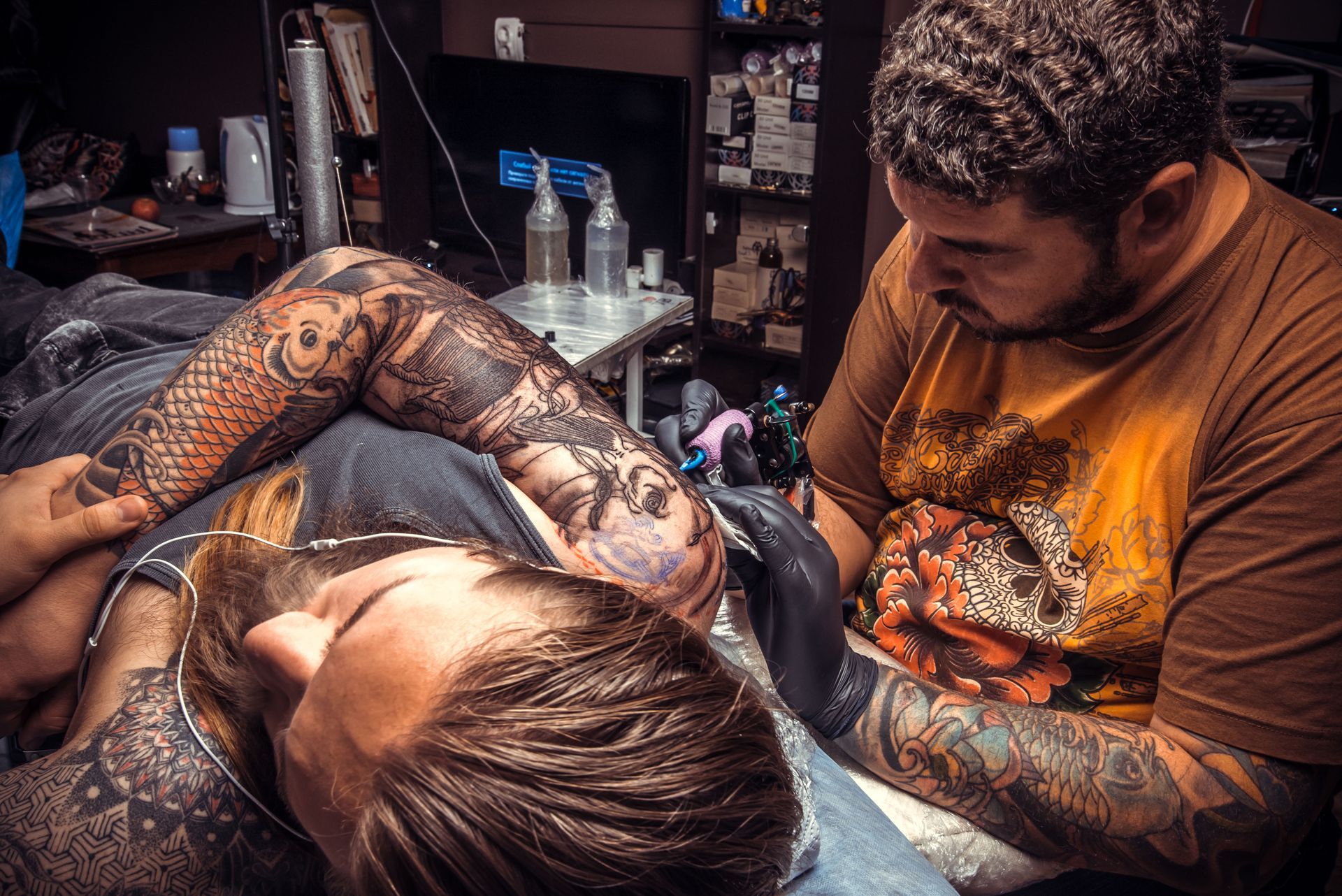
Authentic Japanese tattooing rests on an intricate visual lexicon shaped by Edo-period folklore, mythology, and classic ukiyo-e woodblock prints. Masters like Utagawa Kuniyoshi and Tsukioka Yoshitoshi codified dynamic visual narratives that still define the genre. When artists design a Japanese style tattoo, every single motif carries deliberate symbolic weight. Dragons represent wisdom, strength, and benevolent force, while steadfast koi fish symbolize perseverance as they swim courageously against raging currents. Ferocious tigers ward off negative spirits, and delicate cherry blossoms signify the fleeting nature of human existence. Dedicated tattoo shops preserve these traditions by ensuring that iconography is never haphazardly combined. Artists study the intricate seasonal relationships governing traditional art; autumn maple leaves never drift alongside springtime sakura, and mythical creatures inhabit their proper natural elements of swirling wind, rolling waves, or towering rock. By refusing to dilute these storied meanings, reputable studios guarantee that each collector receives a culturally cohesive composition rather than an arbitrary decorative pastiche.
Mastering Foundational Techniques and Linework
Beyond symbolic storytelling, the visual punch of traditional Japanese body art relies on uncompromising technical execution. Before electric machinery emerged, Japanese craftsmen used tebori, an intensive hand-poking method utilizing bundled needles fastened to bamboo rods. Modern shops honor this lineage by translating hand-poked aesthetics into contemporary tattooing practices with meticulous care. Whether an artist uses hand tools or precision electric machines, underlying artistic rules remain constant. Solid linework forms the foundational architecture of every piece, demanding confident hand movements, impeccable needle depth, and absolute consistency. Furthermore, masters of the craft emphasize subtle gradations of black and grey shading, historically called bokashi. Achieving velvety, atmospheric gradients from rich carbon black to bare skin mimics the delicate wash of sumi ink paintings. When collectors seek a Japanese style tattoo, specialized artists implement bold outlines that resist fading over decades of biological aging. Dedicated shops prioritize these demanding standards, ensuring that modern technical conveniences never compromise the raw power and longevity that distinguish traditional Japanese ink.
Studying Traditional Composition and Bodysuit Anatomy
A fundamental hallmark of traditional Japanese tattooing is its intimate, harmonious relationship with the human canvas. Unlike patchwork designs gathering disconnected images across limbs, traditional Japanese compositions approach the physique as a unified, flowing landscape. Studios adhere to traditional anatomical structures developed over centuries, including munewari (a split-chest design), hikae (a chest panel flowing into the arm), and full-sleeve nagasode layouts. When structuring a large-scale Japanese style tattoo, artists draft intricate backgrounds composed of dynamic wind bars, stylized clouds, and crashing waves that accentuate the natural contours of muscle groups and skeletal articulation. The backdrop, or mikiri, frames the primary motifs and visually unites the entire body. Specialized studios excel at designing custom tattoos that harmonize seamlessly with the unique physique of every collector. Rather than applying flat stencils, artists frequently paint foundational elements directly onto the skin with specialized markers, ensuring flawless alignment with every movement of the living body.
Maintaining Rigorous Hygiene and Studio Standards
While honoring ancient traditions, modern tattoo studios recognize that historic art cannot flourish without contemporary health and safety innovations. In past eras, practitioners worked without clinical sanitation or single-use equipment. Today, shops seamlessly fuse time-honored artistic philosophy with hospital-grade hygiene standards and clinical sterility. Workstations are fully outfitted with non-porous barriers, medical-grade disinfectants, and individually packaged, pre-sterilized needle cartridges. Artists undergo comprehensive bloodborne pathogen training and maintain stringent cross-contamination protocols throughout every single step of the procedure. Studios provide sterile environments where clients receive exceptional care, whether they are beginning expansive backpieces or coming in for spontaneous walk-in tattoos between major projects. Furthermore, reputable shops place immense value on providing thorough, clear aftercare instructions. By educating clients on optimal healing methods, antimicrobial cleansing, and proper barrier management, studios ensure that the vibrant pigments and nuanced shading of each Japanese style tattoo heal cleanly, protecting both the collector's health and the artistic integrity of the work.
Guiding Clients Through Collaborative Consultations
Preserving centuries of tradition requires open dialogue and thoughtful client education. Because classical Japanese iconography possesses strict cultural guidelines, experienced tattooers dedicate significant time to detailed consultations. During these collaborative sessions, artists discuss the client's creative vision in depth, explain the cultural meaning of desired motifs, and map out appropriate seasonal and narrative pairings. In-depth consultations also prepare collectors for the physical and financial commitment demanded by large-scale body art. A comprehensive bodysuit or full sleeve requires dozens of hours across multiple appointments, demanding patience, emotional resilience, physical endurance, and disciplined healing. By engaging in honest dialogue during initial consultations, artists build genuine mutual understanding with their clients. Collectors learn why specific background elements belong naturally with certain legendary figures, transforming the appointment into an enlightening cultural journey. This dedication ensures that every Japanese style tattoo produced within the studio honors ancestral customs while remaining deeply personal to the individual wearing it.
Cultivating Mentorship and Intergenerational Knowledge
The continuity of Japanese tattooing has always depended on the generational transmission of specialized knowledge. Historically, aspiring tattooers entered formal apprenticeships under a master, spending years observing, preparing ink, assembling needle bars, and refining basic drawing skills before ever touching human skin. Modern specialty shops keep this mentorship ethos vibrant by fostering collaborative environments where emerging artists learn directly from seasoned veterans. Knowledgeable tattooers study rare archival reference books, historic woodblock prints, and traditional Japanese folklore to deepen their artistic vocabulary. Studios also host traveling guest artists from around the world, creating fertile exchanges of technical insights and regional perspectives. By maintaining an atelier atmosphere grounded in artistic discipline and humility, studios cultivate the next generation of tattooers. These up-and-coming artists absorb the structural rules and cultural nuances required to execute an authentic Japanese style tattoo, ensuring that the living chain of heritage remains unbroken as new talents take up the mantle.
The enduring global allure of Japanese tattoo art proves that profound traditions can flourish in the contemporary world when protected by dedicated practitioners. Far from being a static relic of the past, this storied discipline continues to evolve through the passion, discipline, and reverence cultivated inside professional tattoo shops. By maintaining symbolic accuracy, mastering demanding technical applications, honoring anatomical flow, and mentoring future artists, specialty studios keep the soul of classical irezumi vibrant. Every finished bodysuit, backpiece, and custom Japanese style tattoo stands as a permanent, breathtaking testament to an ancient tradition brought gracefully into the modern era. Connect with Full Circle Tattoo today to book an in-depth consultation and begin planning your next extraordinary custom tattoo.